A flickering light, a tripping breaker, or a dead outlet can make you want the fastest possible fix. That is understandable. But a few smart electrical estimate questions before approving work can protect your budget, your property, and your schedule. A clear estimate is not just a price. It is a shared understanding of what will be done, what it will take, and what happens if the job reveals a hidden issue.
For homeowners, landlords, and business owners in Central Florida, the goal is simple: no surprise charges, no vague promises, and no temporary patch that creates another problem next month. You do not need electrical training to ask good questions. You just need straight answers from a licensed contractor who is willing to explain the work.
Start With the Scope of the Electrical Estimate
The first question is also the most important: What exactly is included in this estimate?
An estimate for “repair outlet” can mean very different things. Is the electrician replacing one worn receptacle? Diagnosing a loose connection behind the wall? Repairing damaged wiring? Updating a GFCI device? The price may change based on what is found, but the original scope should still be specific enough that you know what you are authorizing.
Ask the contractor to explain the expected repair or installation in plain language. For example, if you are adding an EV charger, the scope should address the charger circuit, breaker size, wire route, panel capacity, mounting location, and whether the charger itself is included. If you are replacing a panel, the estimate should clarify whether it includes a service upgrade, grounding updates, labeling, permit coordination, and inspection.
A good contractor will not bury you in jargon. They should tell you what problem they are solving and why that work is the right fix.
Ask What Is Not Included
This is where estimates often become frustrating. Some exclusions are reasonable. Wall repair, painting, utility-company work, landscaping repair, or specialty equipment may fall outside an electrician’s scope. The issue is not that exclusions exist. The issue is finding out about them after the work starts.
Ask directly: What is not included, and what could add cost? If a wall needs to be opened to repair wiring, find out who will handle the patching. If trenching is needed for power to a detached structure, ask whether the estimate includes excavation and restoration. On commercial work, ask whether ceiling access, lift rental, after-hours scheduling, or tenant coordination affects the price.
Straight answers up front give you a realistic budget instead of an artificially low number that grows later.
Questions About Price, Labor, and Materials
You do not need a line-by-line breakdown for every small repair, but you should understand how the contractor arrived at the price. Ask whether the estimate is a fixed project price, a diagnostic fee plus repair price, or an hourly rate with materials added separately.
For a defined installation, such as adding recessed lighting or installing a generator hookup, a project price is often easier for customers to plan around. For a difficult troubleshooting call, an electrician may need to diagnose the problem before they can offer a final repair price. That is normal. What matters is that you are told the diagnostic cost and receive approval options before additional work begins.
Ask these questions in conversation:
- Is this price for the full completed job, or is it an initial diagnostic charge?
- Are materials, labor, permits, and inspection fees included?
- What brand or grade of equipment will be installed?
- Is there a charge if the work takes longer than expected?
- When is payment due, and is a deposit required for special-order materials?
The lowest estimate is not automatically the best value. One contractor may be pricing a basic device while another is including a safer code-compliant repair, better equipment, permit coordination, or a more durable wiring route. Compare the actual scope, not just the number at the bottom of the page.
Ask Who Will Perform the Work
You are inviting someone into your home, business, rental property, or jobsite. It is reasonable to ask who will be there and who is accountable for the work.
Confirm that the contractor is licensed and insured. For larger projects, ask who will pull the permit and coordinate the inspection. If subcontractors will be used, ask which part of the project they will handle. There is nothing wrong with a contractor using a qualified crew, but you should know who is responsible if a question or problem comes up.
Local accountability matters here. With VoltIQ Electrical Contractor, customers communicate directly with Pedro and the local team, not a centralized call center passing messages around. Whether you hire VoltIQ or another company, look for that same standard: one clear point of contact, punctual scheduling, and someone who answers the phone when you need an update.
Confirm the Schedule and Site Plan
Ask when the work can start, how long it should take, and whether you need to be present. A simple outlet repair may be completed in one visit. A panel upgrade, generator connection, commercial lighting project, or new-construction phase can depend on permit timing, utility coordination, inspections, material availability, and access to the property.
The contractor should be honest about those variables. Nobody can control every inspection window or utility schedule, but a dependable electrician keeps you informed instead of disappearing after the deposit clears.
For occupied homes and businesses, ask practical questions too. Will power need to be shut off? For how long? Will the team need access to bedrooms, an electrical room, attic space, or a locked tenant area? What steps will they take to protect flooring, equipment, inventory, and landscaping? These details are easy to overlook until work day arrives.
Permits, Code, and Inspection Questions
Not every electrical repair requires a permit, but many upgrades and new installations do. Panel replacements, service upgrades, new circuits, generator hookups, EV charger circuits, and significant wiring work commonly involve permits and inspections. Requirements can vary by city, county, project type, and existing conditions.
Ask: Does this work require a permit, and who handles it? A qualified contractor should explain the answer without trying to scare you into unnecessary work. If a permit is needed, the estimate should make clear whether permit fees are included and whether the contractor will arrange the inspection.
Permits are not red tape for its own sake. They provide an independent check that work meets applicable safety requirements. That can matter when selling a property, filing an insurance claim, managing a rental, or simply knowing that a new high-load circuit was installed correctly.
Code compliance can also affect the scope. An older panel may lack proper space, grounding, or capacity for an EV charger. A bathroom outlet may need GFCI protection. An outdoor circuit may require weather-rated equipment. Ask the electrician to distinguish between work that is required for a safe, compliant installation and optional improvements you can consider later.
What Happens If the Job Changes?
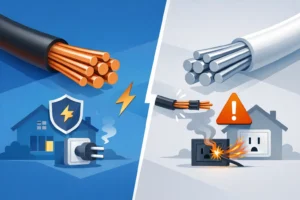
Hidden conditions are part of electrical work, especially in older homes, remodels, and commercial spaces with years of changes behind walls and above ceilings. The contractor may find aluminum wiring, overheated connections, water damage, undersized conductors, an overloaded panel, or wiring that was never installed correctly.
That does not automatically mean the original estimate was wrong. It means the visible problem did not tell the whole story. The real test is how the contractor handles it.
Ask what the change-order process looks like. Will they stop and explain the issue? Will they show you photos when possible? Will you receive a revised price before additional work is performed? The answer should be yes. No one wants an electrician to leave a dangerous condition untouched, but no one wants surprise work added to the bill without approval either.
For emergency conditions, such as active sparking, heat at a panel, or damaged service equipment, the immediate safe action may need to come first. Even then, the contractor should explain what was necessary to make the property safe and what follow-up work remains.
Ask About Warranty and the Long-Term Fix
A completed job should come with a clear explanation of what was repaired, installed, or upgraded. Ask what workmanship is warranted and whether manufacturer coverage applies to the equipment being installed. Keep the estimate, invoice, permit records, and any inspection documentation with your property records.
It also helps to ask one final question: Is this the permanent repair, or is it a safe short-term option? Sometimes a short-term repair is the right call, particularly when a remodel is planned or a larger upgrade must wait for budget reasons. There is no shame in choosing a phased approach. The key is knowing the trade-off instead of being sold a quick fix as if it solves everything.
The right estimate should leave you feeling informed, not pressured. If the scope is clear, the price is explained, permits are addressed, and changes require your approval, you can move forward with confidence. That is how electrical work should begin: with a direct conversation, a defined plan, and no drama when the bill arrives.