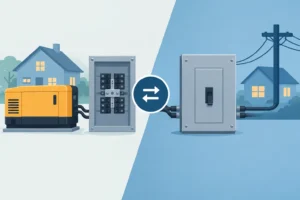
A portable generator can keep the refrigerator cold, the Wi-Fi running, and a few lights on when a Florida storm takes out power. But the generator itself is only half the plan. The real decision is generator interlock versus transfer switch: two safe ways to connect generator power to selected circuits without creating a dangerous backfeed condition.
Neither option is automatically better for every home. The right answer depends on your electrical panel, the generator you own, which loads matter during an outage, and how much convenience you want when the weather turns ugly. Here are the straight answers.
What an interlock and transfer switch actually do
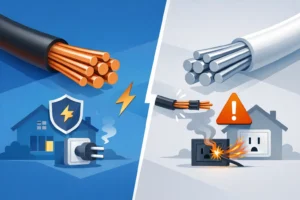
Both devices prevent utility power and generator power from feeding the home at the same time. That matters because generator backfeeding can injure utility workers, damage equipment, start a fire, and create serious problems when power is restored. Running a generator through a dryer outlet, a homemade cord, or any other shortcut is not a backup-power plan. It is dangerous and not acceptable.
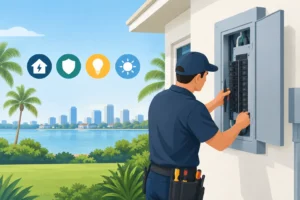
A generator interlock is a listed mechanical device installed on the main electrical panel. It physically prevents the main breaker and the generator breaker from being switched on at the same time. During an outage, you turn off the main breaker, slide the interlock into position, turn on the generator breaker, and then manage the circuits you want to power from the panel.
A transfer switch is a separate switching device that moves selected circuits, or in some setups the entire service, between utility power and generator power. Manual transfer switches require you to move the switch during an outage. Automatic transfer switches sense a utility outage and start and transfer to a compatible standby generator without you being there.
For most homes using a portable generator, the practical comparison is between a panel interlock and a manual transfer switch. Automatic transfer switches are generally part of a permanently installed standby-generator system.
Generator interlock versus transfer switch: the key differences
The biggest difference is how each option controls your circuits. An interlock lets you use existing breakers in your main panel. A manual transfer switch usually feeds a dedicated group of preselected circuits. That affects flexibility, cost, and how much attention the system needs during an outage.
Circuit flexibility
An interlock gives you more choice. Once the generator is connected and the main breaker is off, you can turn individual branch breakers on and off based on what you need and what your generator can handle. You might run the refrigerator, a few lights, internet equipment, and a small window AC unit, then turn off the AC before using a microwave or well pump.
That flexibility is valuable in Central Florida, where an outage can be short or stretch through a hot, humid day. You are not limited to a small group of circuits chosen years earlier. But you do need to understand your panel and actively manage electrical demand.
A transfer switch is more controlled. The electrician identifies the circuits to be backed up, such as refrigeration, kitchen outlets, lighting, garage door, internet, and a bedroom circuit. Those circuits are moved to the transfer equipment, and the rest of the house stays off during generator operation. It is simpler for many homeowners because the choices are already made.
The trade-off is that a transfer switch can feel restrictive if your priorities change. If the living-room outlet or a different room’s lights are not on the selected list, they will not be powered unless the system is modified.
Cost and installation complexity
A properly engineered panel interlock is often the lower-cost option when the existing panel supports one. It typically requires a compatible listed interlock kit, a generator inlet box, correctly sized wiring, a generator breaker, and careful labeling. The panel must have the correct layout and available capacity for the installation. Not every panel can accept an interlock, and a generic part that merely looks like it fits is not the answer.
A manual transfer switch usually involves more equipment and more wiring because the selected circuits must be separated and routed through the switch. That often makes it the more expensive portable-generator connection method. The added cost can make sense when a homeowner wants a clearly defined, easy-to-operate backup setup.
Pricing should be based on an on-site evaluation, not a guess over the phone. Panel condition, service size, generator location, wiring distance, inlet placement, and permit requirements all matter. No surprise charges means identifying those details before work begins.
Ease of use during an outage
A transfer switch is usually easier for someone who does not want to think about breaker management. The switch is labeled, the supported circuits are known, and there is less chance of accidentally turning on too much load. For a rental property, an older family member, or a business where several people may need to operate the backup system, that simplicity can be worth paying for.
An interlock is still straightforward, but it requires a short operating sequence and common sense about load. You need to shut off the main, engage the interlock, turn on the generator breaker, and then energize loads gradually. When utility power returns, you reverse the process before reconnecting the main.
An electrician should label the panel and show you the procedure after installation. A backup connection is only useful if the people in the home can operate it safely under pressure, in the dark, and possibly in heavy rain.
Generator size and load management
Neither option lets a small portable generator power everything. A 5,000-watt generator may handle refrigeration, lights, a TV, chargers, and a few outlets comfortably, but central air conditioning, electric water heating, ranges, dryers, pool equipment, and large pumps can quickly exceed its capacity.
With an interlock, the homeowner has more opportunity to rotate loads. With a transfer switch, the selected circuits help impose limits, although a poorly planned circuit list can still overload a generator. The correct approach is to calculate the running and starting watts of the equipment you want to use, then select a generator and connection method that fit the plan.
Be especially realistic about air conditioning. Most portable generators cannot run an entire Central Florida home’s central AC system. Some can support a smaller mini-split, a window unit, or carefully designed loads, but that needs to be evaluated rather than assumed.
Safety requirements are not optional
A safe installation includes more than a switch at the panel. The generator needs a properly rated inlet connection, correct breaker and conductor sizing, safe grounding and neutral configuration, weather-appropriate equipment, and clear operating instructions. The generator must stay outdoors, well away from doors, windows, vents, and attached garages because carbon monoxide can enter a home fast.
Never run a portable generator inside a garage, even with the door open. Never use a male-to-male cord to energize a panel. Never connect a generator while the utility main remains on. These are not minor mistakes. They can be fatal.
Permits and inspections may apply depending on the scope and local jurisdiction. A licensed electrician can coordinate the work, confirm equipment compatibility, and make sure the connection is built for the panel you actually have – not an idealized version of it.
Which option makes sense for your property?
Choose an interlock if you want the most flexibility from a portable generator, your panel is compatible, and you are comfortable managing which breakers run during an outage. It is often a smart fit for homeowners who want to power different parts of the house as needs change.
Choose a manual transfer switch if you prefer a fixed set of essential circuits and a simpler operating process. It is a strong choice when predictability matters more than flexibility, particularly for landlords, second homes, and households where multiple people may need to use the system.
Choose an automatic transfer switch with a standby generator if power outages would create a major problem and you need backup power to take over without manual setup. That is a larger investment, but it is the right conversation for homes with critical medical equipment, frequent travel, certain business operations, or a need for more complete coverage.
For any option, start with the loads you truly need rather than the equipment you think sounds best. A licensed electrician can inspect the panel, review your generator plans, explain the trade-offs in plain English, and give you a clear price before work starts. VoltIQ Electrical Contractor helps Central Florida property owners set up generator connections that are safe, code-conscious, and ready when the lights go out – no shortcuts, no drama.