A breaker that trips once after a storm is one thing. A breaker that trips every time you use the microwave, hair dryer, or office equipment is a different conversation. Knowing when wiring needs replacement helps you address a real safety issue before it becomes smoke damage, a failed inspection, or a long night without power.
Electrical wiring is built to last, but it is not permanent. Heat, moisture, pests, age, poor past repairs, and today’s heavier electrical demands all take a toll. The right answer is not always a full rewire. Sometimes a targeted repair, circuit upgrade, or panel correction solves the problem. A licensed electrician should diagnose the cause, explain the options plainly, and give you straight answers before work begins.
When Wiring Needs Replacement: The Signs That Matter
Most electrical problems announce themselves before they become emergencies. The key is taking those warnings seriously instead of getting used to them.
Breakers Trip Repeatedly
A circuit breaker is designed to shut off when it detects an overload, short circuit, or ground fault. An occasional trip can happen when too many high-demand appliances run on one circuit. Repeated tripping, especially with normal daily use, may point to damaged wiring, a loose connection, an undersized circuit, or a problem inside a device.
Do not keep resetting the breaker and hoping it holds. That can mask the reason it tripped in the first place. An electrician can determine whether the issue is in the wiring, the panel, the outlet, or the equipment plugged into it.
Lights Flicker, Dim, or Change Brightness
Lights that flicker when the AC starts may be a sign that the electrical system is under strain. Lights that dim or brighten without a clear reason can be more concerning, particularly if the issue affects several rooms.
Loose neutral connections, aging wiring, overloaded circuits, and panel issues can all cause inconsistent lighting. In a Central Florida home, that concern deserves attention because air conditioning, pool equipment, appliances, and EV chargers can place significant demand on an older system.
Outlets Feel Warm, Look Discolored, or Smell Burnt
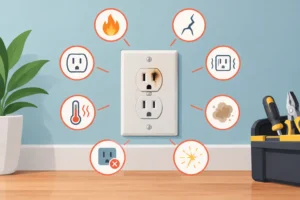
An outlet cover should not feel hot. You also should not see brown marks, melting plastic, scorch marks, or loose receptacles that move when you plug something in. A burning odor near an outlet, switch, panel, or ceiling fixture calls for immediate action.
Turn off the affected circuit if it is safe to do so, avoid using that outlet, and arrange an inspection promptly. Heat usually means electricity is meeting resistance somewhere it should not. That can come from a loose connection, worn outlet, damaged conductor, or overloaded circuit.
You Rely on Extension Cords and Power Strips Every Day
Power strips are useful for low-demand electronics. They are not a permanent substitute for enough outlets or dedicated circuits. If extension cords run under rugs, across walkways, or from room to room because the home does not have outlets where you need them, the electrical layout may no longer fit how you live.
This does not automatically mean every wire in the house must be replaced. It may mean adding outlets, running a new circuit, or upgrading service capacity. The goal is to stop asking old wiring to do work it was never designed to handle.
The Home Has Older or Questionable Wiring
Age alone does not prove wiring is unsafe, but it does change the conversation. Homes with original wiring from several decades ago may have insulation that has become brittle, circuits with limited capacity, or prior additions completed without proper permits.
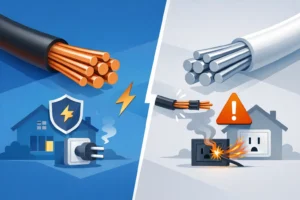
Some older properties may contain aluminum branch wiring, cloth-insulated conductors, ungrounded outlets, or wiring methods that do not meet current safety expectations. These conditions need a professional evaluation, not a guess based on the age of the house. A well-maintained older system may need focused upgrades. Another may be due for replacement because repairs would only keep patching a larger problem.
Pests, Water, or Storm Damage Reached the Electrical System
Rodents can chew wire insulation in attics and walls. Roof leaks, plumbing leaks, flooding, and wind-driven rain can affect wiring, boxes, fixtures, and connections. Florida humidity is not usually a reason to rewire a home by itself, but moisture entering electrical components can cause corrosion and failure over time.
After water intrusion or storm damage, a visual check is not enough. Damage can be hidden behind drywall or above ceilings. An electrician can inspect affected circuits, test connections, and identify whether repair or replacement is the safer choice.
Replacement Is Not Always the First Answer
A good electrician should not walk in and declare a full rewire without evidence. Wiring replacement can be disruptive because it may involve attic access, wall openings, new receptacles, permits, and inspections. It is a meaningful investment, so the recommendation should be based on the condition of the system and your plans for the property.
Targeted work may be the better answer when one circuit is damaged, a few outlets are worn, or an addition needs new wiring. A panel upgrade may be needed when the service cannot support modern loads, even if much of the branch wiring remains in good condition. New circuits are often the practical solution for a kitchen remodel, garage workshop, pool equipment, HVAC upgrade, or EV charger.
Full or partial rewiring becomes more likely when multiple circuits show deterioration, the wiring has unsafe materials or damaged insulation, outlets lack reliable grounding, or the property has a history of overheating and recurring repairs. For a rental property or commercial space, replacement can also make sense when frequent electrical calls are costing more than correcting the underlying issue.
What a Proper Wiring Evaluation Should Include
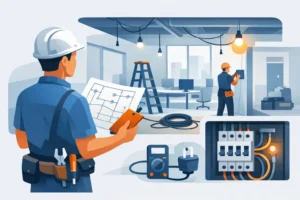
An electrical evaluation should go beyond opening the panel and taking a quick look. The electrician needs to ask what is happening, when it happens, and which appliances or systems are involved. They should inspect accessible wiring, outlets, switches, junction boxes, fixtures, grounding, and the electrical panel.
Testing matters as well. Depending on the concern, that can include checking circuit loads, voltage behavior, polarity, grounding, breaker condition, and signs of heat at connections. If the work requires permits, the contractor should explain that up front and coordinate inspections rather than treating them as an afterthought.
You should leave the visit understanding three things: what is wrong, what work is actually necessary, and what it will cost before the job starts. No surprise charges, no vague recommendation to “update everything,” and no pressure to approve work you cannot clearly explain back to someone else.
Don’t Wait for a Serious Warning
Call for an inspection quickly if you notice sparks, smoke, a burning smell, a buzzing panel, shocks from outlets or switches, or a breaker that will not reset. If there is active smoke or fire, get everyone out and call emergency services first. Electrical repairs can wait. People cannot.
For less urgent but persistent issues, scheduling an evaluation now gives you choices. You can plan the work around a remodel, tenant turnover, business hours, or a future panel upgrade instead of reacting after a failure. That usually makes the project easier to budget and less disruptive.
VoltIQ Electrical Contractor serves homeowners and businesses across Kissimmee and Central Florida with licensed, insured electrical diagnostics, repairs, rewiring, panel work, and permit coordination. You talk directly with the local team, get upfront pricing before work begins, and receive a recommendation based on the condition of your system – not a sales script.
If something in your electrical system has been acting strange, trust that instinct. A short visit from a qualified electrician can turn an unanswered question into a clear plan and help keep a small warning from becoming the problem that shuts down your home or business.