A breaker that trips once is not always a major problem. A breaker that trips whenever the microwave, dryer, or pool equipment runs is a different conversation. Panel upgrades give your home or business the electrical capacity and safety margin to handle how you actually use the property now – not how it was used 20 or 30 years ago.
For Central Florida property owners, this often comes up during an EV charger installation, a remodel, a generator hookup, or after adding high-demand equipment. The right answer is not automatically to replace the panel. Sometimes a repair, circuit correction, or subpanel is enough. A licensed electrician should inspect the system, explain what is limiting it, and give you straight answers before any work begins.
Signs Your Electrical Panel May Be Holding You Back
Your electrical panel is the control center for every circuit in the building. It distributes power and is designed to shut off a circuit when it detects an overload or fault. When the panel is outdated, undersized, damaged, or simply full, adding new equipment can become unsafe or impractical.
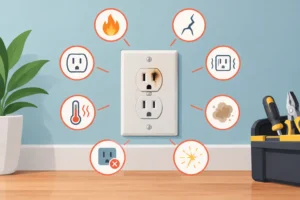
Frequent tripped breakers are one of the clearest signs to schedule an evaluation. So are lights that dim when large appliances start, breakers that feel hot, buzzing from the panel, rust or water damage, a burning smell, or scorch marks. None of those issues should be ignored or treated as a simple inconvenience.
A lack of open breaker spaces is another common issue. Homeowners often discover it when they want a dedicated circuit for a garage refrigerator, a new range, a hot tub, or an EV charger. It may be possible to reorganize circuits or install a subpanel, but that depends on the panel’s condition and the available electrical capacity.
Older panels also deserve a closer look, especially if they have known safety concerns, visible corrosion, loose components, or equipment that is no longer supported. Age alone does not prove a panel is unsafe, but it does mean the system should be assessed based on its condition, equipment type, and the property’s current electrical load.
What Panel Upgrades Actually Change
A proper panel upgrade is more than swapping a metal box on the wall. It can involve a load calculation, new service equipment, upgraded grounding and bonding, breaker replacement, utility coordination, permits, and inspection scheduling. The scope depends on what the property needs and what the existing service can support.
For example, replacing an old 100-amp panel with a 200-amp service may make sense for a home adding an EV charger, electric water heater, upgraded HVAC, induction cooking, or a future generator connection. But not every full panel needs a 200-amp service upgrade. In some cases, a larger panel with the same service rating, or a properly installed subpanel, solves the space issue without unnecessary expense.
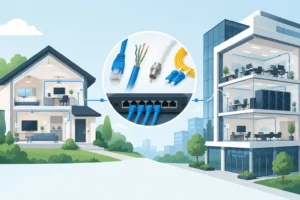
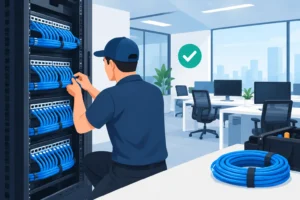
Commercial properties have their own considerations. A retail space adding refrigeration, a salon adding stations, or an office expanding equipment and network infrastructure may need additional circuits, a new subpanel, or a service upgrade. The goal is to support the actual load while keeping the installation code-compliant and manageable for future changes.
Service Upgrade, Panel Replacement, or Subpanel?
These terms are often used interchangeably, but they are not the same job.
A panel replacement generally means replacing old, damaged, obsolete, or overcrowded panel equipment. The service size may remain the same if the existing electrical capacity is adequate.
A service upgrade increases the amount of power available from the utility, such as moving from 100 amps to 200 amps. This can require changes to the meter equipment, service conductors, grounding system, and the main panel.
A subpanel is a secondary distribution panel fed from the main panel. It is often useful for a garage, addition, workshop, detached structure, or a part of a commercial building that needs more circuits. A subpanel adds circuit space, but it does not automatically add more overall electrical capacity.
That distinction matters because the lowest initial price is not always the best value. Installing a subpanel when the main service is already overloaded creates a problem that will need to be addressed later. On the other hand, paying for a larger service when a panel replacement and circuit planning would do the job is unnecessary. Good electrical work starts with an honest assessment, not upselling.
Why Load Calculations Matter Before an Upgrade
Electrical capacity is not determined by counting appliances or looking at the number printed on a breaker. A licensed electrician performs a load calculation based on the home’s square footage, major appliances, heating and cooling equipment, fixed loads, and planned additions.
This is particularly important in Central Florida, where air conditioning is not optional for much of the year. A home may appear to have plenty of power until the AC, pool pump, dryer, kitchen appliances, and EV charger are all operating within the same period. The calculation helps determine whether the existing service can safely handle those demands.
Planned projects matter too. If you expect to install solar equipment, a standby generator, a pool heater, a workshop circuit, or another EV charger in the next few years, say so during the evaluation. Planning for reasonable future needs can prevent paying twice for electrical work.
Permits and Inspections Are Part of Doing It Right
A panel upgrade is not a casual handyman project. It involves high-energy equipment, code requirements, and coordination that can affect the utility connection. Permits and inspections are there to verify that the installation is safe and properly documented.
For homeowners, documented permitted work can matter when selling, insuring, or renovating a property. For landlords and commercial property owners, it helps protect tenants, operations, and the investment itself. Skipping the permit process may look cheaper on day one, but it can create expensive delays when an inspector, buyer, insurer, or future contractor finds unpermitted work.
VoltIQ Electrical Contractor coordinates permits and inspections as part of a clearly defined project process. You should know what is being installed, what the work includes, and what to expect if the power needs to be shut off during the changeover. No runaround, no vague promises.
What to Expect During a Panel Upgrade
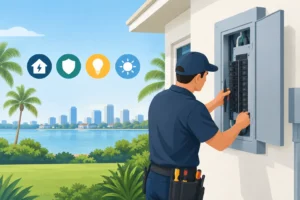
Most panel projects begin with an on-site inspection. The electrician checks the existing panel, meter area, service conductors, grounding, breaker condition, circuit labeling, and visible wiring issues. They also discuss the equipment you want to add and any problems you have noticed.
Once the scope is clear, you should receive upfront pricing before work begins. The quote should identify whether it includes a panel replacement, service upgrade, new circuits, grounding improvements, permit fees, or utility-related coordination. If conditions behind the panel or at the service equipment could affect the scope, that should be explained plainly rather than hidden in fine print.
The actual power interruption varies by project. Some jobs can be completed in a day, while others require more coordination with the utility or additional repairs before the final connection. A dependable contractor will set expectations, arrive when scheduled, protect the work area, label circuits clearly, and communicate if anything changes.
When a Panel Upgrade Can Wait
Not every electrical issue points to the panel. A single tripping breaker may be caused by a failing appliance, a loose connection, a damaged outlet, or an overloaded circuit. Flickering lights can come from a fixture, switch, circuit connection, or utility-side issue. Replacing the whole panel without diagnosis is not a responsible first move.
Likewise, a panel that is older but clean, correctly installed, and adequate for the calculated load may not need immediate replacement. The right decision depends on safety, capacity, condition, and your plans for the property. That is why a real evaluation beats a guess over the phone.
Get Clear Answers Before You Add More Load
If your panel is full, breakers are tripping, or a planned EV charger, generator, remodel, or commercial addition has raised questions, schedule an inspection with a licensed and insured local electrician. Ask for the load calculation, the recommended scope, and a price you can understand before work starts.
Electrical upgrades should make life easier: enough power for the equipment you rely on, safer operation behind the walls, and fewer surprises when the next project comes along. Get the answer that fits your property, then have the work done correctly the first time.