You plug in a phone charger, lamp, or appliance and see a quick blue spark at the outlet. That moment can be unsettling, and it should get your attention. What causes outlet sparks depends on what you plugged in, the condition of the device, and the condition of the outlet itself. A tiny, one-time spark is sometimes normal. Repeated sparking, heat, odor, discoloration, or a loose plug is not something to brush off.
At VoltIQ Electrical Contractor, we give Central Florida homeowners and business owners straight answers. Some outlet problems need a simple replacement. Others point to damaged wiring, an overloaded circuit, or a connection that can overheat inside the wall. The difference matters.
What Causes Outlet Sparks During Plug-In?
An outlet spark is a small electrical arc. It happens when electricity jumps across a tiny gap as the metal prongs of a plug make contact with the energized parts inside the receptacle. With certain devices, particularly those already switched on or drawing power immediately, a brief blue spark can occur as the circuit closes.
For example, plugging in a lamp that is turned on, a space heater, a vacuum, or a power tool can create a small spark. If it is brief, occurs only when inserting the plug, and there is no burning smell, heat, crackling, or damage, it may not indicate a failed outlet.
Still, “may be normal” is not the same as “ignore it forever.” An outlet should hold a plug firmly, operate quietly, and remain cool. If the spark is large, bright, frequent, or accompanied by other warning signs, stop using that outlet until it has been checked.
Warning Signs That Point to an Electrical Problem
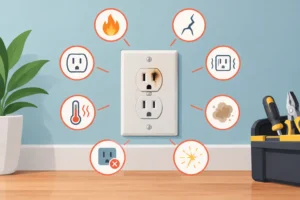
A dangerous outlet issue rarely announces itself with one symptom alone. Pay attention to the full picture. A spark that pops loudly, appears orange or yellow, happens after the plug is already fully inserted, or continues when nothing is being plugged in needs professional attention.
A burning-plastic smell, buzzing or crackling, scorch marks around the slots, a warm faceplate, or a plug that falls out easily are all red flags. So are flickering lights on the same circuit, breakers that trip repeatedly, and outlets that stop working intermittently.
Do not cover up those signs by moving the appliance to a different outlet and forgetting about the original one. The outlet may have a damaged internal connection that continues to heat up every time the circuit is energized. That is how a small repair can turn into damaged wiring or a fire risk.
Loose or Worn-Out Outlet Contacts
Outlets wear out. Every time a plug is inserted and removed, the internal metal contacts experience a little wear. Eventually, they may no longer grip the plug blades tightly. That loose connection increases resistance, and resistance creates heat.
If a plug wiggles, feels loose, or slips out under its own weight, the receptacle is not doing its job. It should be replaced rather than forced to keep working. A new outlet is a relatively straightforward repair when the wiring behind it is in good condition, but the electrician should verify that before replacing anything.
Damaged Wiring or Loose Connections Behind the Wall
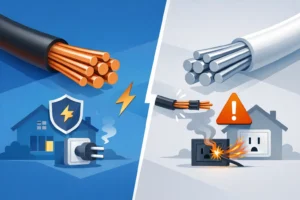
The outlet you see is only the front end of the electrical system. Behind it are wire connections, a box, and often other outlets or lights tied into the same circuit. A loose wire, damaged insulation, improperly installed connection, or aging component can create intermittent arcing behind the cover plate.
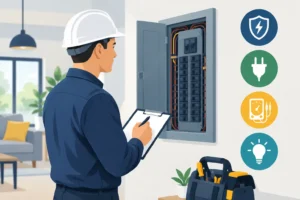
This is one reason a sparking outlet should not be treated as a cosmetic issue. You cannot confirm the condition of the wiring by looking at the faceplate. A licensed electrician can inspect the receptacle, test the circuit, identify overheated connections, and repair the actual cause instead of simply swapping a part.
Overloaded Circuits and High-Draw Appliances
Many outlet concerns come down to demand. A standard household circuit can only safely supply so much power. Plugging a heater, microwave, air fryer, hair dryer, portable AC unit, or similar high-draw device into a circuit already serving multiple loads can create problems.
Power strips and extension cords add another layer of risk when used as a permanent solution. They do not create more circuit capacity. They only allow more equipment to share the same available power. If a breaker trips when certain appliances run, or outlets feel warm during normal use, the answer may be a dedicated circuit or a circuit upgrade, not another power strip.
A Faulty Plug or Appliance
The outlet is not always the source of the spark. A damaged appliance cord, bent plug blade, loose plug connection, or failing internal component can arc as it is connected. If the same device sparks at more than one outlet, unplug it and stop using it until the appliance or cord has been inspected or replaced.
On the other hand, if several devices spark only at one outlet, the outlet or circuit is the more likely problem. This is a useful clue, but it is not a substitute for testing. Electrical diagnosis works best when someone checks both the device and the circuit.
What to Do If an Outlet Sparks
Start with the safe move: unplug the device if you can do so without touching damaged or hot parts. If the outlet is smoking, hot, buzzing, or visibly damaged, turn off the breaker for that circuit if you can identify it safely. Do not use water on an electrical fire. If there is active fire or smoke that does not stop, get out and call 911.
For a non-emergency spark with no smoke or heat, leave the outlet unused until it can be evaluated. Avoid testing it repeatedly with different plugs. Repeatedly creating an arc can worsen a loose connection.
Do not remove the outlet cover or attempt a repair while the circuit is live. Even after switching off a breaker, electrical work can be more complicated than it looks, especially in older homes, remodeled spaces, rental properties, and commercial buildings where circuit labeling may be inaccurate. No drama, no guessing – have the circuit properly diagnosed.
When a Spark Is an Emergency
Call for urgent electrical service when you notice smoke, a burning odor, melted plastic, visible charring, a hot outlet, continuous crackling, or repeated breaker trips. Those signs can indicate active overheating or arcing.
You should also act quickly if the outlet is near water, such as in a kitchen, bathroom, laundry area, garage, or exterior location. These areas often require GFCI protection, which is designed to shut off power quickly when it detects a ground fault. A GFCI outlet that will not reset, trips frequently, or shows signs of damage should be inspected rather than bypassed.
For landlords and business owners, a sparking outlet should be treated as a maintenance priority, not a wait-until-next-week item. Employees, tenants, and customers should not be expected to work around an electrical hazard.
The Right Repair Depends on the Cause
There is no one-size-fits-all fix for sparking outlets. Sometimes the repair is replacing a worn receptacle. Sometimes it means repairing a loose connection, replacing damaged wiring, correcting an overloaded circuit, installing a dedicated circuit, or updating outdated protection.
A proper electrical service call should include diagnosis before recommendations. You deserve to know what failed, why it failed, what needs to be corrected now, and what the price will be before work begins. No surprise charges and no upselling around a problem you cannot see.
If an outlet has sparked more than once or shows any warning sign, leave it out of service and get a licensed electrician involved. A quick inspection today can protect your property, your equipment, and the people who rely on that circuit every day.